Streatham Hill upholstery cleaning for period homes

Period homes have a way of making furniture feel part of the building itself. The velvet armchair in the front room, the faded Edwardian sofa, the dining chairs with carved timber arms, even the little window seat that catches the afternoon light - they all carry a bit of history. That is exactly why Streatham Hill upholstery cleaning for period homes needs a careful touch. The wrong method can flatten fibres, leave tide marks, or make delicate fabrics look tired rather than refreshed.
If you live in a Victorian terrace, a converted mansion flat, or an Edwardian house near Streatham Hill, you already know the challenge. Older upholstery can look robust from a distance, but underneath it may hold fragile stitching, natural fibres, horsehair padding, sprung frames, or previous repairs that do not love being rushed. This guide explains what good upholstery cleaning looks like, how it works, when it makes sense, and how to avoid the classic mistakes. A bit practical, a bit detailed, and hopefully reassuring too.
For wider home care, many owners also pair upholstery work with a full deep clean or, where needed, sofa cleaning to keep the whole room feeling balanced rather than half-done.
Why Streatham Hill upholstery cleaning for period homes matters
Period homes tend to collect character, and character collects dust. That is the simple truth. In older properties, upholstery often sits in rooms with higher ceilings, original floorboards, ornate plasterwork, and less predictable airflow. Dust settles into seams. Smoke residue can linger in fabrics longer than you expect. Sunlight through sash windows can fade one side of a chair while the other stays darker. Add everyday life - pets, tea, muddy shoes, the odd wine spill - and furniture begins to look dull in a way that is hard to ignore.
In Streatham Hill, many homes have a mix of old and new: original lounge furniture, restored antique pieces, and newer items bought to suit the style of the house. The cleaning approach has to match that mix. You would not use the same treatment on a silk-trimmed armchair as you would on a modern synthetic sofa. That sounds obvious, yet in practice this is where a lot of problems start.
There is also a preservation angle. Upholstery is part of the home's feel. When it is cleaned well, a room looks brighter without losing its age and warmth. When it is cleaned badly, you can end up with uneven colour, water rings, or a sharp chemical smell that hangs around for days. Nobody wants that. Not in a room that took decades to settle into its shape.
For homeowners who want a more complete refresh, upholstery cleaning often sits alongside curtain cleaning and carpet cleaning, because fabrics in the same room tend to age together. Clean one element only and the contrast can be a bit odd, to be fair.
Expert summary: In period homes, the goal is not just to remove dirt. It is to clean in a way that protects fabric structure, preserves colour, and keeps the furniture looking naturally lived-in rather than artificially scrubbed.
How Streatham Hill upholstery cleaning for period homes works
Good upholstery cleaning starts long before any machine touches the fabric. The cleaner should first identify the material, construction, and condition of each piece. That includes checking for care labels if they exist, testing hidden areas, noting loose stitching, looking for sun damage, and spotting previous stains or repairs. On an old chair, the obvious mark is often not the biggest risk. The hidden wear is.
From there, the method is chosen. In simple terms, upholstery cleaning usually falls into one of three approaches: dry cleaning, low-moisture cleaning, or hot-water extraction with careful control. Which one is right depends on the fabric and the age of the piece. A skilled cleaner will not force a single method onto everything. That is where the trouble begins.
The process often includes:
- Inspection and fibre testing to understand the fabric and any risks.
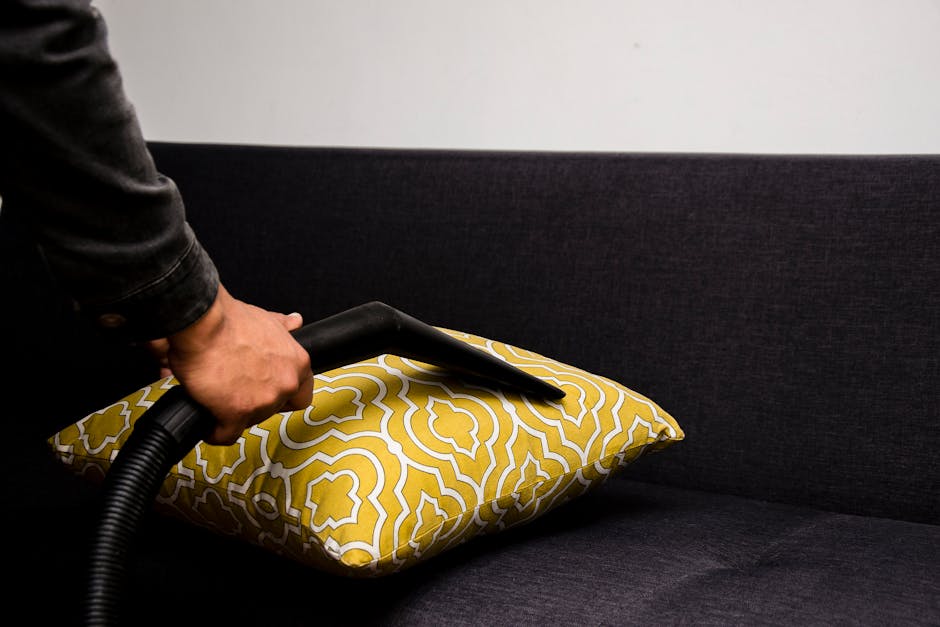
- Dry soil removal using vacuuming and edge tools to lift dust from seams and buttons.
- Spot treatment for stains, body oils, food marks, or pet-related issues.
- Main cleaning stage using the safest suitable method for the fabric.
- Careful moisture control so padding does not stay wet too long.
- Final grooming and drying advice to help the fabric settle well.
On period pieces, the detail work matters. A good technician will often use smaller tools around pleats, tufting, piping, and carved frames. This slower pace is not fussiness. It is what keeps a chair looking elegant rather than overworked.
Some homes also have a practical mix of surfaces that need attention in the same visit. In those cases, a broader service such as rug cleaning or hard floor cleaning can make sense so the room feels coherent when everything is put back in place.
Key benefits and practical advantages
The most obvious benefit is appearance. Clean upholstery lifts a room immediately. But for period homes, the advantages go beyond looking smart in a photo. A proper clean can reduce the dulling effect caused by dust, improve the smell of a room, and make the house feel more cared for overall. You notice it when you sit down, actually. The fabric feels fresher, and the room stops carrying that faint stale note that old textiles sometimes develop.
Other practical benefits include:
- Improved fabric longevity by removing abrasive dirt trapped in fibres.
- Better stain management when spills are treated before they become permanent.
- More comfortable living spaces for households with children, guests, or pets.
- Reduced allergen build-up from dust and everyday particle accumulation.
- Better presentation if you are preparing a home for sale, letting, or hosting.
There is also a value-preservation angle. Period furniture is often expensive to replace, and in some cases not replaceable in any meaningful sense. A well-cleaned original sofa or chair can outlast several trend cycles and still feel right in the room. That matters in Streatham Hill, where many owners are careful to keep the character of their homes intact.
And let's face it, replacing a beautiful upholstered chair is much easier said than done. Finding something with the same shape, scale, and feel can take ages.
Who this is for and when it makes sense
This service is a strong fit for homeowners and landlords in period properties, but also for anyone who has inherited older furniture and wants to keep it in use. It is especially useful if you have pieces that are too valuable, too sentimental, or too well-made to simply swap out.
It makes sense when:
- a sofa or armchair looks tired but is still structurally sound;
- there are surface marks, dust build-up, or mild odours;
- the property is being prepared for guests, buyers, or tenants;
- you want to refresh a room without redecorating the whole place;
- you have children or pets and need a cleaner, more hygienic living area;
- you are trying to keep original furniture rather than buying replacements.
It may be less suitable if a piece is already badly degraded, has failing upholstery fabric, or contains unstable stuffing and old repairs. In those cases, cleaning can still help, but only after a proper assessment. Sometimes the honest advice is to clean gently and leave the rest alone. That is not a failure; it is good judgement.
If the wider home needs attention too, many customers combine upholstery work with domestic cleaning or a broader one-off cleaning visit, especially before family events or after a long winter indoors.
Step-by-step guidance
If you are arranging upholstery cleaning for a period home, it helps to know what a sensible process looks like. It makes the appointment calmer, and it also helps you spot whether the cleaner knows their stuff.
- Identify the furniture type
Note whether the item is a sofa, armchair, dining chair, chaise, or occasional piece. Period furniture often mixes materials, so one seat may have a different fabric from the back panel. - Check the fabric condition
Look for fading, loose seams, frayed piping, or old water marks. If the fabric already feels brittle, mention that before cleaning starts. - Remove loose dust
Vacuum carefully, including under cushions, along seams, and around buttons. This step sounds basic, but it matters a lot. Dust left behind becomes grime once moisture is introduced. - Test in a hidden spot
Any cleaning solution should be tested first. A discreet patch behind a cushion or near the rear skirt is usually the safest place. - Choose the right method
Dry foam, low-moisture cleaning, and controlled extraction each have their place. The cleaner should explain why one method is safer than another. - Treat stains separately
Tea, wine, ink, makeup, and pet stains all behave differently. There is no magic universal spot remover, despite what the bottle claims. - Clean with restraint
With older upholstery, less agitation is often better. Heavy scrubbing can distort pile or push soil deeper. - Allow proper drying
Period homes can have cooler rooms and thicker walls, so drying may take longer than expected. Good airflow helps.
Small detail, but useful: if the furniture has been near an open fire or had years of candle use, mention it. Soot residue can behave differently from ordinary dust, and it can change the way cleaning is approached.
Expert tips for better results
There are a few things that make a noticeable difference, and most of them are simple. The trick is doing them consistently.
First, be honest about the fabric. If you do not know whether something is wool, silk blend, rayon, velvet, or a synthetic mix, say so. Guessing can lead to the wrong treatment. A professional can usually assess it, but they need the chance.
Second, clean before stains set hard. Old stains are harder to lift and easier to spread. A fresh spill handled gently is usually a better story than a dried-in mark attacked with too much enthusiasm. We have all seen that one chair where someone clearly tried the kitchen-roll-and-hoping method. It rarely ends well.
Third, manage the room environment. Open a window if the weather allows, keep heating moderate, and avoid sitting on freshly cleaned upholstery too soon. On a damp November afternoon, drying can take longer, so a bit of patience helps.
Fourth, plan the whole room. Period homes often look best when textiles, carpets, and hard surfaces are all treated with the same level of care. If the room includes drapes, a sensible companion service is curtain cleaning. If the home has been renovated recently, after builders cleaning can remove the dust that settles everywhere no matter how careful the builders were. Annoying, but true.
Finally, ask for tailored advice after cleaning. The best cleaners do not just leave and wave goodbye. They explain drying time, safe vacuuming, and how soon cushions can be used again.
Common mistakes to avoid
Period homes are forgiving in some ways and not at all forgiving in others. Upholstery cleaning is one of those jobs where small mistakes can leave surprisingly visible marks.
- Using too much water. This can lead to prolonged drying, wicking, or marks appearing after the job is finished.
- Scrubbing stains aggressively. That often damages fibres and spreads the stain wider.
- Skipping a test patch. Hidden colour loss is a very real risk with older fabrics.
- Ignoring the frame and trim. If a piece has wood, braid, or decorative buttons, they need protection too.
- Assuming all upholstery can be steam cleaned. Steam is useful in some settings, but not every period fabric welcomes it.
- Cleaning only the visible area. Dust along the back, underside, and cushions can still affect smell and appearance.
The other mistake is emotional, not technical: expecting a cherished piece to come back looking brand new. Sometimes it will look dramatically better. Sometimes it will simply look cleaner, healthier, and more graceful. That is still a win. In older homes, a little patina is part of the charm.
Tools, resources and recommendations
You do not need a van full of gadgets to clean upholstery properly, but you do need the right equipment for the job. For period homes, the most useful tools are often the ones that give the operator more control rather than more power.
Commonly used tools include:
- vacuum cleaners with upholstery attachments;
- soft brush heads for seams and folds;
- microfibre cloths for controlled blotting;
- spotting tools for targeted stain treatment;
- low-moisture or extraction equipment suited to delicate textiles;
- protective materials for wood, skirting, and nearby flooring.
For homeowners, the most practical resources are the care label, a few clear photos of the item, and a short note about any known spills or repairs. If you can, take a picture in daylight before the cleaner arrives. It helps show the original colour and any fading patterns. Not glamorous, but useful.
You may also want to explore broader services if the furniture is part of a larger home refresh. For example, pet stain odour removal can be helpful in family homes, while move in cleaning or move out cleaning can be sensible if the property is changing hands and the furnishings are staying in place.
Law, compliance, standards, or best practice
Upholstery cleaning in a home setting is not usually a heavily regulated activity in itself, but good practice still matters. In the UK, responsible cleaners should work with appropriate care for chemicals, ventilation, and surface protection. They should also be clear about what they can and cannot guarantee, especially on older fabrics that may be fragile or previously damaged.
For period homes, the main best-practice principles are straightforward:
- Use suitable products for the fibre type.
- Test before full application.
- Avoid unnecessary moisture.
- Protect nearby surfaces and finishes.
- Work with care where there are allergies, pets, or ventilation limits.
It is also sensible to choose a provider that can explain practical matters like insurance, site safety, and complaint handling in plain English. That sort of transparency matters more than a shiny slogan. A useful starting point is the company's own insurance and safety information, health and safety policy, and terms and conditions. If you care about business values and how the team operates, the about us page can also be useful.
For pricing transparency, it is reasonable to ask how quotes are built, what is included, and whether stains or delicate fabric treatments alter the cost. The page on pricing and quotes is a good place to start if you want that discussion to feel less vague and more grounded.
Options, methods, or comparison table
Different upholstery methods suit different pieces. Here is a simple comparison that helps when you are deciding what to ask for.
| Method | Best for | Strengths | Watch-outs |
|---|---|---|---|
| Dry cleaning | Delicate fabrics, older upholstery, minimal moisture tolerance | Low water use, good control, lower drying risk | May be less effective on heavy soil if used alone |
| Low-moisture cleaning | General domestic upholstery, mixed-fabric pieces | Balanced approach, faster drying, practical for most homes | Still needs careful testing and good technique |
| Hot-water extraction | Robust fabrics that can tolerate a deeper flush | Strong on embedded soil and refreshment | Can be risky on fragile period fabrics if overused |
| Spot treatment only | Small marks, light maintenance, partial restoration work | Very targeted and gentle | Not enough on its own for overall freshness |
In practice, a professional often combines methods. For instance, a Victorian chaise might get careful dry vacuuming, a targeted stain pre-treatment, and then controlled low-moisture cleaning. That layered approach is usually safer than a one-size-fits-all machine blast. Which, honestly, is a phrase nobody in a period house wants to hear.
Case study or real-world example
Here is a realistic example from the kind of home this topic is really about. A Streatham Hill family had a late-Victorian terrace with a large sitting room, two easy chairs, and a sofa that had belonged to the previous owner for years. The furniture was not antique in museum terms, but it was clearly older than the average high-street set. One chair had a tea ring on the arm, the sofa had dull patches where hands and heads had rested over time, and the room itself had that slightly stale fabric smell that builds quietly.
The first step was inspection. The fabric was still sound, but there was visible sun fading on one side and a few loose threads around a cushion edge. Instead of pushing for a heavy wet clean, a gentler approach was used. Loose dust was removed, the fabric was tested in a discreet spot, and the stained arm received targeted treatment before the main clean. The cleaning itself was careful and quite measured. Nothing rushed.
After drying, the furniture looked fresher, the tea mark was much less noticeable, and the room smelled cleaner without becoming perfumed or chemical-heavy. The family was not trying to make the sofa look brand new. They just wanted it to feel respectable again. That is often the real aim, isn't it? And in a period home, that can make the whole room feel more settled.
Practical checklist
Use this checklist before booking or carrying out upholstery cleaning in a period property.
- Identify the fabric type if you can, or gather any labels and notes.
- Check for loose seams, frayed piping, or brittle sections.
- Photograph existing stains and fading in daylight.
- Ask what cleaning method will be used and why.
- Confirm whether a test patch will be done first.
- Ask how long drying should take in your property.
- Move nearby ornaments, books, and small valuables out of the way.
- Make sure there is decent airflow in the room.
- Keep pets and children away while cleaning and drying are taking place.
- Ask for aftercare advice once the job is finished.
If the upholstery is part of a larger refresh, you might also consider window cleaning so the room has that clear, bright feel that older homes sometimes lose under layers of everyday life.
Get a free quote today and see how much you can save.
Conclusion
Streatham Hill upholstery cleaning for period homes is really about judgement. It is not just a cleaning job. It is a balancing act between freshness and preservation, between enough moisture and too much, between making a room feel cleaner and keeping the furniture's character intact. When it is done properly, the change can be subtle or dramatic, depending on the piece, but it always feels worthwhile.
If your home has older sofas, chairs, or statement pieces that deserve a careful hand, the sensible next step is a method-led inspection rather than a quick guess. That approach protects the furniture, saves frustration, and usually gives a better finish. Simple, really.
And there is something quietly satisfying about it too: sitting back in a room that still feels like your home, only cleaner, calmer, and a bit more alive.
Frequently Asked Questions
Is upholstery cleaning safe for period furniture?
It can be, provided the fabric is assessed properly first. Period furniture often has delicate materials or older stitching, so the safest approach is usually a test patch, careful method selection, and controlled moisture rather than a heavy-handed clean.
What makes period home upholstery different from modern upholstery?
Older pieces may use natural fibres, older padding, and construction methods that react differently to cleaning products and water. They may also have repairs, fading, or fragility that modern furniture does not. That is why they need more careful handling.
How often should upholstery in a period home be cleaned?
It depends on use, pets, sunlight, and dust levels. For many homes, light maintenance and occasional professional cleaning is enough. High-traffic pieces or family rooms may need attention more often than formal sitting rooms.
Can all stains be removed from old upholstery?
No, not always. Fresh stains are usually easier to improve than old, set-in marks, but some stains can permanently alter fibres or dye. A good cleaner will be honest about the likely result before starting.
Is steam cleaning suitable for period upholstery?
Sometimes, yes, but not universally. Steam or hot-water methods can be too much for certain fabrics, trims, or older fillings. A professional should decide based on the specific piece, not just the cleaning machine available.
How long does upholstery take to dry in an older house?
Drying time varies by fabric, cleaning method, room temperature, and airflow. Period homes can be cooler or less ventilated, so drying may take longer than in a modern flat. Good ventilation helps a lot.
Will cleaning make faded upholstery look new again?
Not usually. Cleaning can brighten fabric, remove soil, and make colours look clearer, but it cannot reverse sunlight fading. It can still make a very noticeable difference, though.
Should I clean curtains and upholstery together?
If both are visibly dusty or affecting the room's smell and appearance, yes, that can be a smart move. Fabrics in the same room tend to age together, so cleaning one without the other can leave the room looking uneven.
What should I tell the cleaner before they arrive?
Tell them about fabric type if known, visible stains, pet issues, previous repairs, and any delicate trim or wooden detailing. The more they know upfront, the safer and more effective the cleaning is likely to be.
Is there a benefit to combining upholstery cleaning with other home cleaning services?
Definitely. In many period homes, upholstery looks best when the surrounding room is also clean. Pairing it with carpet, curtain, or general home cleaning can make the result feel much more complete.
How do I know if my upholstery needs professional cleaning instead of DIY care?
If the furniture is old, valuable, silk-like, badly stained, odorous, or simply too important to risk, professional care is the safer option. DIY can work for light maintenance, but period pieces often need more experienced judgement than a bottle and a bit of optimism.
What is the best first step if I want upholstery cleaning in a Streatham Hill period home?
Start with an assessment of the furniture and a clear explanation of what you want to improve. That might be stains, smell, general freshness, or preparing the room for guests. From there, you can choose the most suitable method and ask for a quote that reflects the piece's condition.