Office Cleaning in SW16
Keeping a workplace clean is about more than appearances. It affects how staff feel when they arrive, how clients view your business, and how smoothly the day runs. For companies looking for Office Cleaning in SW16, a local, dependable service can make a real difference. Whether you manage a small studio, a shared workspace, a busy high street office, or a larger commercial unit, a well-planned cleaning routine helps create a professional environment that works for everyone.
SW16 covers a varied part of South West London, with a mix of office buildings, converted properties, consulting rooms, retail back offices, and modern workspaces. That variety matters, because no two premises are quite the same. A cleaner working in a compact office near Streatham, a shared practice room in Norbury, or a multi-floor commercial space in the wider SW16 area will face different access points, different flooring, different schedules, and different cleaning needs. A local team understands those practical details and can fit around them.
If you are comparing office cleaning services in SW16, you are probably looking for reliability, flexibility, and a team that respects your workspace. You may need early morning cleaning before staff arrive, evening visits after the last meeting, or regular daytime maintenance in a busy office that cannot close. This page explains what to expect, what is usually included, and why choosing a nearby cleaning provider is often the simplest way to keep your workplace presentable and hygienic.
Why Office Cleaning Matters for SW16 Businesses

Clean offices do more than look tidy. They support better routines, help reduce clutter, and create a more comfortable setting for staff and visitors. In busy work environments, dust, fingerprints, bins, crumbs, and high-touch surfaces can build up quickly. A regular cleaning schedule prevents small issues from becoming larger ones and helps keep your premises consistently professional.
For businesses in SW16, this is especially important because many workplaces serve clients directly. That might mean customers visiting a reception area, patients arriving for appointments, tenants passing through a shared entrance, or suppliers using a back office. When these spaces are clean and organised, they send the right message immediately. A well-kept office reflects well on your business and can help staff feel more settled too.
There are also practical benefits. Cleaner floors reduce slip risks, emptied bins help control odours, and regular sanitising of shared touchpoints can support a healthier working environment. In offices where people share desks, meeting rooms, kitchens, or washrooms, routine cleaning helps maintain standards without placing the burden on your own team.
What a local service adds
Working with a local cleaner means the service can be shaped around the realities of SW16 properties. Parking can be tight on residential streets, access may involve narrow entrances or shared stairwells, and some office spaces are split across older buildings or mixed-use developments. A nearby team is more likely to plan sensibly for these conditions, arrive ready to work, and adapt if your schedule changes.
What Office Cleaning Typically Includes
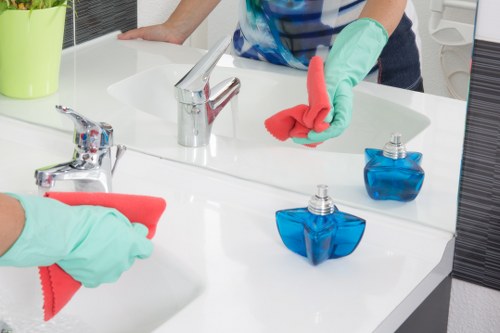
The exact service will depend on the size and type of premises, but most office cleaning contracts in SW16 cover a set of core tasks designed to keep everyday work areas clean and orderly. The aim is to maintain a professional standard without disrupting your business operations.
Common tasks often include vacuuming, mopping, dusting, waste removal, sanitising surfaces, and cleaning shared facilities. Some workplaces also need specialist attention for glass partitions, kitchen areas, internal doors, or flooring that requires more careful treatment. In many cases, cleaning plans are built around the highest-use areas first, then extended to less frequently used spaces.
Because every office is different, it is helpful to think about the spaces your staff and visitors use most often. These are usually the first areas that need regular attention, especially if you want the workplace to feel tidy every day rather than only after a deep clean.
Typical areas covered
- Reception desks and waiting areas
- Open-plan workstations and individual offices
- Meeting rooms and conference spaces
- Kitchens, tea points, and staff break areas
- Toilets and washrooms
- Corridors, entrances, and stairways
- Internal glass and touchpoint surfaces
- Bins, recycling points, and waste stations
- Floors, skirting, and visible dust-prone areas
Depending on the building and your needs, additional tasks can include spot-cleaning marks on walls or doors, wiping keyboards or phones where appropriate, cleaning fridge exteriors, and tidying communal spaces. If your office has a lot of foot traffic, your cleaning plan may also include more frequent attention to entrance mats and threshold areas.
Office Cleaning for Different Property Types in SW16

One of the things that makes office cleaning in SW16 interesting is the variety of premises in the area. There are businesses in converted buildings, newer commercial units, professional practices, and offices attached to shops or service businesses. Each type of property comes with its own routines and challenges.
For example, a small office above a high street premises may need careful handling around shared access routes and after-hours cleaning. A larger workspace near busy transport links might need fast, efficient attention with minimal interruption during the day. A practice room used for consultations may need a more detailed focus on presentation and high-touch areas. A shared office environment may need a flexible plan to suit different teams using the building at different times.
Local knowledge matters because it helps a cleaning team prepare for real conditions rather than following a one-size-fits-all checklist. In SW16, that might mean planning around parking restrictions, handling limited lift access, managing keys or alarms securely, or working around building managers and neighbouring businesses.
Commercial and professional spaces
Many local businesses need cleaning that supports client-facing professionalism. Accountants, solicitors, consultants, creative agencies, estate offices, and service providers often want a clean setting that feels calm and organised. The same applies to clinics, treatment rooms, and other practice-based workspaces where cleanliness is part of the customer experience.
Shared and multi-tenant buildings
Where several businesses share an entrance, stairwell, kitchen, or washroom, cleaning needs to be consistent and considerate. It is important that communal spaces stay tidy because they shape the first impression for everyone entering the property.
How a Local Office Cleaning Service Works

A good office cleaning service should be straightforward from the start. Most customers want a clear process, a practical schedule, and a team that knows what to do without needing constant supervision. In SW16, that often means arranging a plan that fits around opening hours, staff availability, and access requirements.
The process usually begins with understanding your premises and your priorities. That may include the number of rooms, the type of flooring, the level of daily traffic, and any areas that need special care. Once those details are clear, the cleaning routine can be tailored to your office rather than treated as a generic job.
Many workplaces prefer a recurring service so standards remain steady week after week. Others need one-off support after refurbishment, before an inspection, after a tenancy change, or following a particularly busy period. Whatever the situation, the aim is to keep things orderly, hygienic, and ready for business.
What to expect from the service process
- Initial discussion of your office layout and cleaning priorities
- Agreed schedule based on access times and business hours
- Cleaning carried out according to the plan for your premises
- Regular maintenance of key areas and surfaces
- Review of any changed needs, such as seasonal traffic or additional rooms
If your office has particular sensitivities, such as limited access areas, confidential documents, or equipment that must not be disturbed, those points should be discussed clearly at the outset. A professional cleaner will work around those requirements and keep the service practical for your team.
What Makes a Good Office Cleaning Plan

A strong cleaning plan is not just about ticking boxes. It should help your office stay presentable on a regular basis and reduce the build-up of work that becomes harder to manage later. The best plans are realistic, flexible, and based on the actual use of the space.
For example, busy kitchens may need daily attention, while archive rooms may need less frequent dusting. Reception areas and toilets usually need more constant care than storage rooms. Meeting rooms might need a quick reset after each week, especially if they are used by visitors, clients, or different team members.
When planning office cleaning in SW16, it is helpful to think in terms of usage patterns. A compact office with ten staff and a small tea point has different needs from a larger property with multiple floors, customer toilets, and several shared desks. A good service should reflect that difference.
Useful questions to think about
- Which areas are used by staff every day?
- Do clients or customers visit the premises regularly?
- Are there shared kitchens, toilets, or meeting rooms?
- Do you need cleaning before opening, after closing, or during the day?
- Are there any access restrictions, alarms, or keys involved?
- Is the property a modern office, a converted building, or a shared workspace?
Answering these questions makes it easier to request a sensible quotation and helps ensure the service is designed around what your business actually needs. It also avoids paying for work that is not relevant to your premises.
Benefits for SW16 Customers
Businesses in SW16 often choose a local office cleaner because it offers convenience as well as accountability. When your premises are nearby, communication is easier, scheduling can be more flexible, and the team is generally better placed to respond to changing needs. That is especially useful for businesses that operate from mixed-use streets or buildings with limited access.
There is also the benefit of consistency. A local team that works regularly in the area is more likely to understand typical building layouts, nearby parking pressures, and the importance of timekeeping around busy transport corridors. That kind of familiarity can save time and reduce disruption.
Clean offices also support staff wellbeing. When the workplace is tidy, fresh, and organised, employees are more likely to enjoy coming in and using shared facilities responsibly. It is a simple improvement, but one that can influence everyday morale and productivity.
Main benefits at a glance
- Better first impressions for visitors and clients
- More comfortable workspaces for staff
- Improved routine hygiene in shared areas
- Reduced clutter and more orderly surroundings
- Flexible scheduling around your opening hours
- Service shaped to local building access and layout
For businesses that want dependable office cleaning services in SW16, these benefits can make outsourced cleaning feel less like an extra cost and more like a practical part of daily operations.
Why Choose a Local Company for Office Cleaning in SW16
Built around the area, not just the job
A local company is often better prepared for the realities of cleaning in South West London. SW16 includes busy main roads, residential side streets, and commercial pockets where parking can be limited. A cleaner based nearby is more likely to plan travel properly, know how to access buildings efficiently, and avoid unnecessary delays.
This local understanding matters in office cleaning because timing is important. If your team starts early, you may need cleaning finished before opening. If visitors come and go throughout the day, you may need discreet maintenance that does not interrupt business. A nearby provider can usually adapt more easily to those demands.
There is also a trust factor. Local companies tend to depend on steady, long-term relationships with businesses in the area. That usually means they are focused on consistency, communication, and doing the job in a way that suits your building and staff.
Good reasons local customers call first
- Quick response to changing schedules or access needs
- Better understanding of local property types
- Practical planning around parking and transport
- Less disruption to your working day
- Easier arrangement of regular cleaning visits
If you want a service that feels close, responsive, and shaped around your environment, choosing a local team for office cleaning in SW16 is often the most efficient option.
Pricing Factors: What Can Affect the Cost?
Every office is different, so pricing usually depends on the details of the premises and the type of service required. Rather than looking for a single fixed figure, it is better to understand which factors influence the time and work involved. That makes it easier to compare quotes fairly and choose a service that matches your needs.
Typical pricing factors include the size of the office, the number of rooms, how often cleaning is required, and whether any specialist tasks are included. A simple single-floor office with a small kitchen and one toilet will naturally need less time than a larger building with several work zones, staircases, and shared facilities.
It can also depend on the condition of the premises and the frequency of visits. A space that is cleaned regularly may be easier to maintain, while a workplace needing a one-off reset or post-occupancy clean may involve a more intensive initial visit.
Common factors that influence a quotation
- Floor area and number of rooms
- Frequency of cleaning visits
- Type of flooring and surfaces
- Washroom, kitchen, and communal area requirements
- Access arrangements and building security
- Special tasks such as glass, descaling, or deeper detailing
- Any out-of-hours or early-morning scheduling needs
When requesting a quote, it helps to explain your priorities clearly. If you mainly need a tidy reception, clean toilets, and maintained kitchens, say so. If your office needs more thorough upkeep across several rooms, include that too. Clear details lead to a more accurate service plan.
Preparation Checklist for Customers
To get the most from office cleaning, a little preparation can help everything run smoothly. You do not need to overcomplicate things, but a few practical steps make access easier and reduce confusion on the day.
Before the first visit, it is useful to think about keys, alarm codes, entry routes, and any rooms that should stay locked or undisturbed. If there are confidential documents on desks or sensitive equipment in use, these should be protected before cleaning starts. That is especially important in offices where people share spaces or move between desks during the week.
Clear communication also helps with repeat visits. If you have a meeting room that is used late on Wednesdays, or a kitchen that gets heavily used after staff lunches, make sure the cleaner knows. The more they understand your routine, the better they can support it.
Simple checklist before the cleaner arrives
- Clear desks where possible
- Put away sensitive documents and valuables
- Confirm access arrangements and alarm details
- Share any areas that need extra care or must be avoided
- Empty personal items from shared kitchen or washroom areas if needed
- Let staff know about the cleaning schedule
This type of preparation is especially helpful in shared offices and busy commercial spaces, where several people may use the same rooms and equipment. A small amount of organisation can make the cleaning visit quicker and more effective.
Areas Covered Around SW16
When people search for office cleaning in SW16, they are often looking for a service that can cover a broader local area, not just one single street. SW16 includes several neighbourhoods and business pockets, and nearby companies often need cleaning support across different sites or mixed commercial premises.
Common nearby areas include Streatham, Norbury, Thornton Heath, and parts of West Norwood and Crystal Palace where businesses may be close enough to fit within a regular route. Many offices in and around these areas are in converted premises, shared buildings, or smaller commercial units that benefit from regular, careful cleaning.
If your business sits on a busy road, in a residential side street, or close to local transport connections, a nearby cleaner can usually plan the visit more efficiently. That local flexibility is often valuable for businesses that need cleaning before staff arrive or after customers leave.
Types of customers commonly served
- Small businesses and start-ups
- Professional offices and consultancy spaces
- Shared workspaces and serviced offices
- Medical, wellness, or treatment rooms
- Retail offices and back-of-house areas
- Community organisations and local service premises
Whether your workplace is compact or multi-room, a local cleaning plan can be adjusted to suit the way your business actually operates.
Frequently Asked Questions
How often should an office in SW16 be cleaned?
That depends on how many people use the premises, how much client traffic you have, and whether the office includes kitchens or customer washrooms. Some workplaces need daily cleaning, while others only need several visits a week. A smaller office may be fine with a lighter schedule if foot traffic is low.
Can office cleaning be arranged before opening hours?
Yes, many businesses prefer early-morning or after-hours cleaning so staff can arrive to a tidy workspace. This is especially useful for offices that receive visitors during the day or cannot easily be cleaned while people are working.
Do you clean shared office kitchens and toilets?
Yes, these are usually some of the most important areas to maintain. Shared kitchens and washrooms need regular attention because they are used frequently and have a big effect on the overall feel of the office.
What if my office is in an older building with awkward access?
That is common in SW16, especially in converted properties and mixed-use premises. A local cleaner can plan around stair access, narrow entrances, loading restrictions, and other practical issues. It is best to mention access details when requesting a quote.
Can the cleaning plan be changed if my office use changes?
Yes. Good office cleaning services should be flexible enough to adjust the routine if your team grows, your opening hours change, or you begin using rooms differently. It is sensible to review the plan from time to time.
What should I ask before booking?
Ask which areas are included, how access is managed, what schedule is available, and whether the plan can be tailored to your building. It is also wise to confirm how communication works if you need to change a visit or update your cleaning priorities.
Choose Office Cleaning That Fits Your Business
If you want a workplace that feels ready for staff and visitors every day, choosing the right cleaning service is an important step. The best results come from a plan that fits the way your office is used, not from a routine that ignores local conditions or business hours.
For companies looking for Office Cleaning in SW16, a local service can offer practical scheduling, area knowledge, and consistent care across the spaces that matter most. That includes desks, receptions, kitchens, toilets, corridors, and meeting rooms — the areas people notice first and use most often.
Whether you are managing a small office near Streatham, a shared workspace in Norbury, or a commercial unit elsewhere in the SW16 area, it makes sense to keep the cleaning straightforward, reliable, and suited to your routine. Contact us today to discuss your needs, request a free quote, or book your service now if you are ready to keep your workplace in better order.